Rio de Janeiro
Rio de Janeiro is Brazil’s second largest city. It is one of the most beautiful and exciting cities in the world and probably the most visited city in all of South America. Rio’s world famous carnival, its sandy white beaches and famous landmarks attract millions of visitors each year. The city has been chosen to host the 2016 Summer Olympic Games, the first time a South American city will be host to the event. Rio de Janeiro was Brazil’s capital until 1960.
History
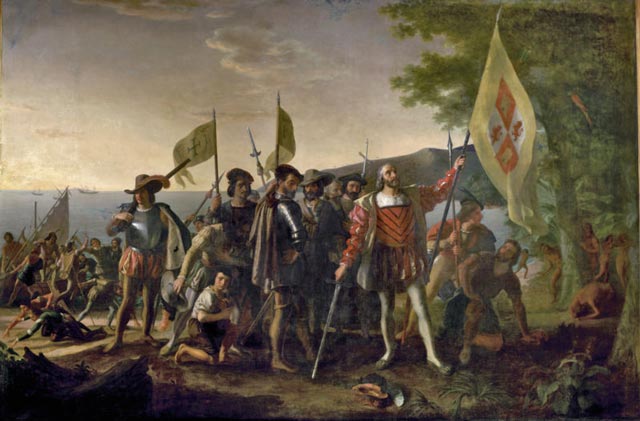
Portuguese explorers first arrived at Guanabara Bay in January 1502. They thought that the bay was the mouth of a large river and named it Rio de Janeiro - River of January. In the 16th century, the French became the first European settlers to live permanently in the Bay area, but later on the Portuguese returned and drove the French away.
In the 18th century, gold was found in the region, and Rio de Janeiro became an important trading post for gold and sugar. It became the capital of the Portuguese colony in the New World.
Geography
Rio de Janeiro lies in the southeastern part of Brazil, near the Tropic of Capricorn. The second largest city of Brazil has a population of over 10 million. Among them are mainly Europeans and Pardos, a mixture of Europeans, Blacks and Indians.
Rio has a hot and humid climate with an average temperature of about 23 ° C. The best time to travel there is in the southern hemisphere’s winter months, when the humidity is lower and it is drier. The rainy season lasts from December to March.
Rio de Janeiro is surrounded by hills. In the middle of the city lies the tropical Tijuca Forest, one of the largest urban forests in the world.
Rio is one of Brazil’s major industrial cities, second only to Sao Paulo. It is a commercial and financial centre, with the headquarters of many foreign companies and banks .
Cityscape
The city of Rio de Janeiro surprises its visitors with a mixture of modern office buildings and colonial European architecture.
Sugar Loaf Mountain is the city’s most famous landmark. It is an almost 400 metre high rounded mountain, a popular destination for tourists, as well as Rio’s citizens.
A cable car, opened in 1912, brings tourists to the top of the scenic mountain where you can enjoy a breath-taking view of the city.
Mount Corcovado is a 700-metre high peak in the west of Rio de Janeiro. It is famous for Christ the Redeemer, a 38-metre tall statue of Jesus Christ spreading out his hands towards the city.
Favelas
Rio’s slums, called favelas, are a contrast to the beauty of the modern city. Almost a fifth of the city’s population live in shabby huts, without running water and sanitation. The low-income areas are located at the outskirts of the city, close to the mountainous regions.
Culture
Even though Brasilia is the capital city and Sao Paulo the largest city in the country, Rio de Janeiro has always been the cultural centre of Brazil.
Rio is famous for its carnival and colourful samba parades, which take place every year at the end of the carnival season. Two million people take to the streets every day. For four days, dancing schools and individual groups perform and show their talents.
Football is one of Brazil’s most popular pastimes. The legendary Maracanã Stadium in Rio de Janeiro was once the largest in the world. It was rebuilt to host the 2014 World Cup. In 2016, the stadium with a capacity of nearly 100,000, will hold the opening ceremony of the 2016 Summer Olympic Games.
Rio de Janeiro’s famous 5 km long Copacabana Beach shows people playing volleyball and soccer, or just lying in the sand. There are hundreds of hotels lined up along the beach; bars and nightclubs can be visited around the clock.
Problems
Despite its beauty and attraction for tourists, Rio de Janeiro has many problems. The most pressing is crime. Rio is considered one of the most dangerous cities in the world, with more than 6000 murders every year. Apart from that drug trafficking and police corruption are widespread, especially in and around the favelas. Many of the city’s poor people are not employed, children do not attend schools.
Over the past years, growing traffic has become a major problem for city planners. Rio de Janeiro cannot expand because it is surrounded by mountains. In addition, the city’s services cannot cope with the growing pollution of beaches and other public places.